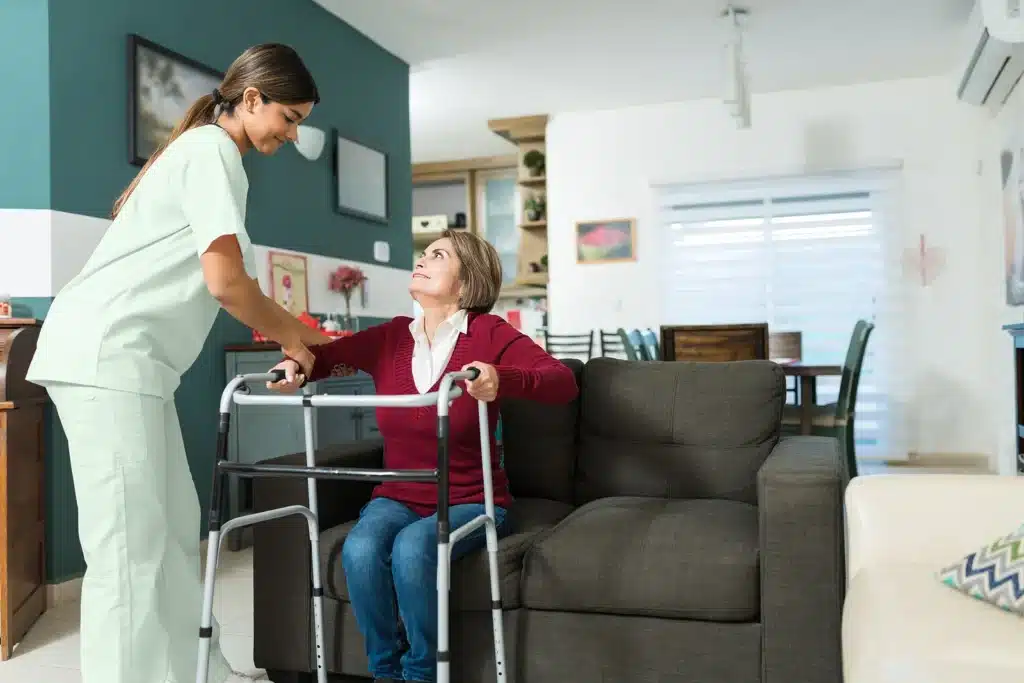
Chronic pain is a daily reality for many older adults. Conditions like arthritis, nerve damage, joint deterioration, and long-term injuries can make routine activities exhausting or uncomfortable. Tasks that once felt simple—getting dressed, preparing meals, or walking across the room—can gradually become overwhelming. With the right support system in place, however, seniors living with chronic pain can still maintain fulfilling routines and independence. Senior home care provides the kind of thoughtful assistance that allows older adults to live comfortably and safely while managing ongoing pain conditions.
Understanding Chronic Pain in Older Adults
Chronic pain differs from short-term discomfort because it persists for months or even years. Many seniors experience pain related to aging joints, reduced mobility, or medical conditions such as arthritis and osteoporosis. Others may live with lingering pain from surgeries or injuries earlier in life.
When pain becomes constant, it can affect nearly every part of a person’s day. Seniors may move more slowly, avoid certain activities, or withdraw socially due to discomfort. Over time, this can lead to muscle weakness, increased fall risk, and emotional challenges such as anxiety or frustration.
Managing chronic pain requires both medical care and practical daily support. Senior home care helps bridge that gap by assisting with tasks that might otherwise cause strain or injury.
Daily Activities Become Easier with Support
Pain often interferes with everyday routines that support independence. Simple tasks like standing at the sink, bending to pick something up, or climbing stairs can cause discomfort. With senior home care, caregivers assist with daily activities in ways that reduce strain on the body.
Caregivers provide help with:
- Bathing and hygiene routines
- Dressing and grooming
- Toileting assistance
- Mobility and transfers
These services help seniors maintain dignity while protecting joints and muscles from unnecessary stress. When assistance is available, seniors are less likely to overexert themselves and risk worsening their condition.
Safe Mobility Reduces Pain and Injury
Movement is an important part of managing chronic pain, but it must be done carefully. Limited mobility can cause stiffness, while too much activity can increase discomfort. Caregivers help seniors find a balance between rest and gentle movement.
Senior home care includes mobility support that helps seniors move safely around the home. This may involve helping someone get out of bed, walk to the living room, or safely enter and exit the bathroom. Caregivers also assist with repositioning throughout the day to prevent stiffness and pressure discomfort.
With proper assistance, seniors can maintain physical activity without placing additional strain on painful joints.
Nutrition and Hydration Support Overall Wellness
Healthy meals and hydration play a role in managing inflammation and supporting overall wellness. Seniors experiencing chronic pain may find cooking difficult due to fatigue or mobility limitations.
Senior home care includes meal preparation, helping seniors enjoy nourishing meals without the physical demands of cooking. Caregivers also encourage regular hydration, which supports joint health and helps maintain energy throughout the day.
When seniors receive consistent nutrition, their bodies are better equipped to handle chronic conditions and maintain strength.
Maintaining a Comfortable Living Environment
A well-organized home can make a significant difference for someone living with chronic pain. Bending, stretching, or reaching for items can aggravate joints and muscles. Caregivers assist with light housekeeping, ensuring that commonly used items remain easily accessible.
Keeping the home tidy also helps reduce fall risks. Clear pathways and organized living spaces make it easier for seniors to move safely and comfortably.
Medication Reminders Support Consistent Pain Management
Many seniors rely on medications to manage chronic pain. Taking these medications on time is essential for maintaining stability and preventing flare-ups.
Senior home care includes medication reminders, helping seniors stay on schedule with their prescribed routines. This support helps prevent missed doses and ensures that treatment plans remain effective.
Consistency in medication routines allows seniors to better manage their pain and maintain daily comfort.
Emotional Well-Being Matters Too
Living with chronic pain can take an emotional toll. Discomfort may limit activities or social interactions, leading to feelings of isolation. Senior home care includes companionship, which helps support emotional well-being.
Caregivers provide conversation, shared activities, and encouragement throughout the day. Even simple interactions can improve mood and provide a sense of connection. These moments of companionship remind seniors that they are supported and valued.
Transportation Helps Seniors Stay Engaged
Pain can make driving difficult or unsafe. Senior home care may include transportation assistance, allowing seniors to attend medical appointments, run errands, or participate in social activities. This support helps seniors remain connected with their community and maintain important aspects of their routine.
Thriving Despite Chronic Pain
Chronic pain does not have to define a senior’s life. With the right support, older adults can continue enjoying meaningful routines and relationships while managing their condition.
Caring for Life provides compassionate senior home care that helps seniors live comfortably and confidently in their own homes. Through thoughtful assistance with daily tasks, mobility, and companionship, caregivers support seniors in maintaining dignity, safety, and quality of life.
If you or an aging loved one are considering senior home care in Leesburg, VA please contact the caring staff at Caring For Life today at (703) 727-5290
Caring For Life provides compassionate home care in Alexandria, Arlington, Ashburn, Fairfax, Gainesville, Great Falls, Herndon, McLean, Leesburg, Reston, Vienna Virginia and surrounding areas.