
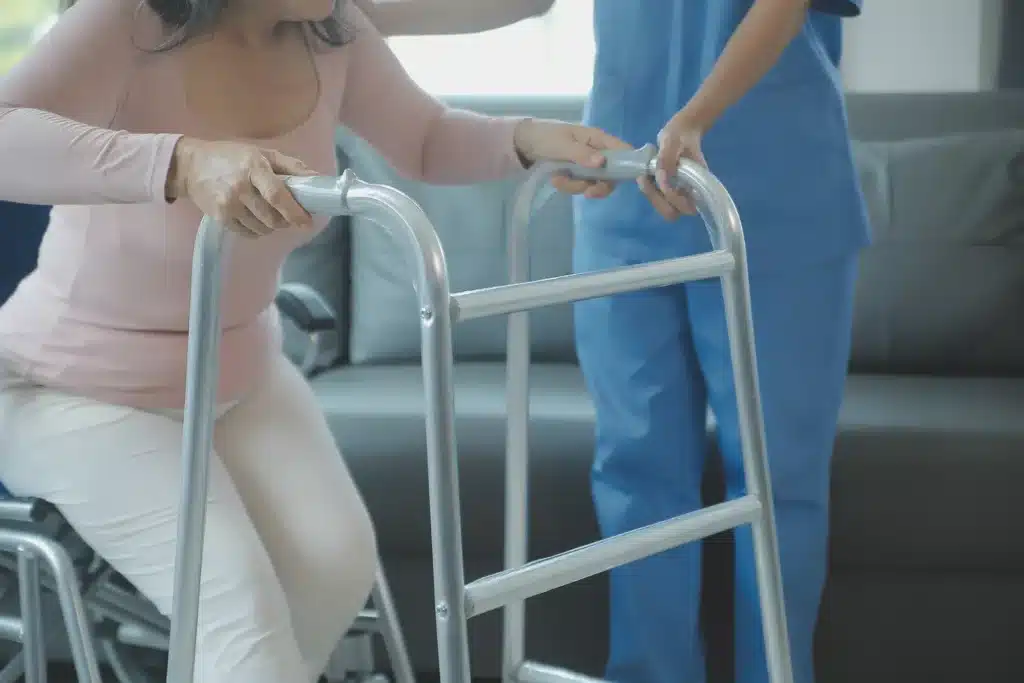
Mobility changes often happen slowly. What starts as needing a hand to stand up or a little extra time to get across the room can, over time, lead to hesitation, fear of falling, and the loss of independence. For older adults, safe movement is one of the most important parts of staying healthy and engaged. When walking, standing, or transferring becomes a challenge, senior home care helps support both safety and confidence at home, and Caring For Life can help.
Why Mobility Declines with Age
Mobility issues can arise from many sources. Some are natural parts of aging, such as reduced muscle strength, joint stiffness, and slower reflexes. Others stem from health conditions like:
- Arthritis
- Osteoporosis
- Stroke
- Parkinson’s disease
- Recovery from surgery or hospitalization
Even medications can affect balance and coordination, making everyday tasks more difficult. Vision changes and hearing loss also contribute to missteps or accidents, especially in unfamiliar or cluttered areas.
When seniors begin to feel uncertain on their feet, they may stop doing activities they once enjoyed. They may sit for longer periods, avoid stairs, or become nervous in their own homes. Unfortunately, this often leads to more weakness and an even higher fall risk.
The Risk of Injury from Falls
Falls are the leading cause of injury-related hospital visits among older adults. A single fall can result in broken bones, head injuries, or long-term disability. Even without physical injury, the emotional impact can be significant. Seniors who fall often develop a fear of falling again, which leads to reduced activity, social withdrawal, and further decline.
Most falls happen at home — in bathrooms, hallways, kitchens, and bedrooms. Many are preventable with environmental adjustments and the right support.
How Senior Home Care Supports Safer Movement
Senior home care services offer a personalized solution to mobility concerns. Trained caregivers assist with walking, standing, transferring from bed or chair, and navigating the home safely. This support allows seniors to move around with more ease and less risk.
Caregivers also help keep the home environment safe by:
- Removing clutter or obstacles in walkways
- Ensuring proper lighting, especially at night
- Helping seniors choose non-slip footwear
- Reporting any changes in physical ability or balance to families
Even simple support — like offering a steady arm while walking to the bathroom — helps prevent injury and builds confidence.
Encouraging Independence, Not Replacing It
One of the biggest fears seniors have when receiving care is losing their independence. But home care is not about taking over — it’s about empowering individuals to do what they can, safely.
Caregivers are trained to encourage safe participation in activities of daily living, such as:
- Dressing
- Grooming
- Preparing light meals
- Doing gentle stretches or exercises
This kind of support allows seniors to remain active in their daily lives, which maintains strength, coordination, and a sense of purpose.
Supporting Recovery After Illness or Surgery
Mobility-focused home care is also valuable during recovery periods. After an injury, surgery, or illness, many seniors need extra help regaining their strength. Caregivers provide hands-on support with movement while promoting rest and recovery.
They can assist with gentle walking routines, transfers to and from bed, and ensuring medications are taken on time — all of which help reduce the risk of setbacks.
Personal Care with Safety in Mind
Tasks like bathing, toileting, and dressing are more physically demanding than they seem. Slippery surfaces and limited range of motion can make personal care dangerous without help. Senior home care includes personal care services that ensure these routines are done safely and with dignity.
A caregiver can assist with:
- Bathing in a secure, step-by-step way
- Helping seniors maintain balance while dressing
- Ensuring privacy and respect during all interactions
These services help prevent falls while preserving independence and self-esteem.
Social and Emotional Benefits of Staying Mobile
Mobility doesn’t just affect the body — it influences mood and outlook, too. Seniors who feel confident in their movement are more likely to:
- Take part in hobbies or social events
- Spend time outdoors
- Maintain routines that bring them joy
On the other hand, those who feel unsteady often become withdrawn, anxious, or depressed. Companion care offered through senior home care services also plays a role in emotional well-being by providing conversation, encouragement, and daily structure.
Peace of Mind for Families
Families want their loved ones to be safe, but they also want them to feel independent. Senior home care provides that balance. Knowing that a professional caregiver is assisting with mobility, monitoring for fall risks, and supporting daily routines brings comfort to family members — especially those who live far away or have other responsibilities.
Caregivers also provide updates on a loved one’s condition, helping families stay informed and make decisions when needed.
A Safer Way to Stay Independent at Home
Mobility is one of the key factors in whether a senior can continue to live independently. When walking or balance becomes unsafe, it’s easy to feel like the only option is giving up control. But with the help of senior home care, that isn’t necessary.
Support from trained caregivers can reduce fall risk, support recovery, and make day-to-day living not just safer — but more fulfilling.
Caring for Life understands the importance of preserving independence while protecting health. Our caregivers provide respectful, reliable assistance designed to support safe mobility in the comfort of home.
If you or an aging loved one are considering senior home care in Ashburn, VA please contact the caring staff at Caring For Life today at (703) 727-5290
Caring For Life provides compassionate home care in Alexandria, Arlington, Ashburn, Fairfax, Gainesville, Great Falls, Herndon, McLean, Leesburg, Reston, Vienna Virginia and surrounding areas.

- Still Managing, But at What Cost? Recognizing When a Senior Could Use Help at Home - September 17, 2026
- When Prostate Cancer Changes What Dad Can Do for Himself - September 4, 2026
- A Safer Recovery Starts at Home: Reducing Hospital Readmissions with Better Recovery Support - August 18, 2026